Audience Intelligence: Why Your Persona Deck Is Not Enough
Most businesses have, at some point, sat down and built a customer persona. Someone gets a name, an age, a job title and a favourite coffee order, and the finished document goes into a shared folder. Then it quietly shapes every campaign for the next two years. The trouble is that real audiences do not stand still. Audience intelligence is the ongoing practice of using real data to understand who your customers are, what motivates them, how they behave and what influences their decisions.
The word that matters is “ongoing”. A one-off research project gives you a useful snapshot, but a snapshot ages quickly. If your marketing relies on an assumption that was true eighteen months ago, you could be spending budget on messages that no longer land.
Audience Intelligence vs Demographics
Demographics tell you who someone is on paper: age, location, income, job role. They are a starting point, but they say very little about why a person chooses one business over another. Two people in the same postcode with the same job title can have completely different priorities. One wants the cheapest option today. The other wants a trusted supplier who will still be around in five years.
Audience intelligence fills in the gaps underneath the demographics:
- Motivations: what problem are they trying to solve, and what would a good outcome look like?
- Behaviours: how do they research, compare and buy? Which devices and channels do they use?
- Interests and influences: who or what do they trust? Reviews, peers, industry publications, or search results?
- Objections: what makes them hesitate or abandon a purchase?
Where to Find Audience Insight You Already Own
You do not need an enterprise-level software budget to start. Most UK small and mid-sized businesses are sitting on a wealth of audience data that simply is not being read properly.
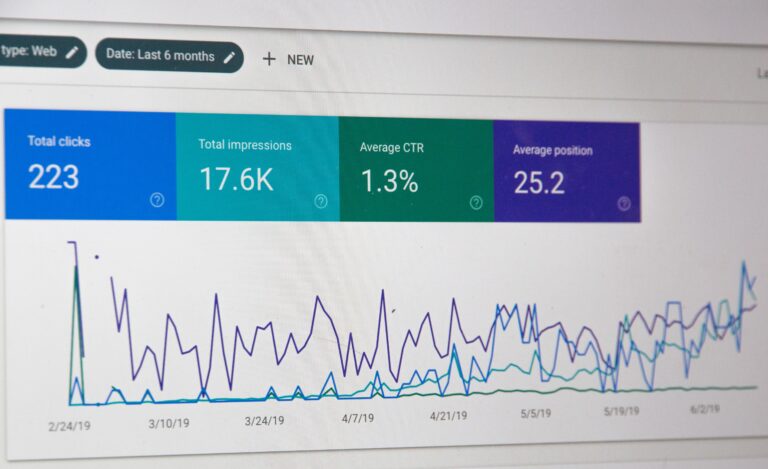
Google Search Console
The queries report shows the exact words people typed before landing on your site. Look beyond the top few terms. The long, oddly phrased queries often reveal the real questions your audience is asking, and they make excellent content ideas.
Google Ads search term reports
If you run paid search, the search terms report is one of the most honest windows into customer intent. It shows what people actually searched when they clicked your ad, which is often very different from the keywords you thought you were targeting. Patterns in this report can expose new audience segments, unexpected use cases and wasted spend on irrelevant searches.
Google Analytics and on-site behaviour
Which pages do visitors read before they enquire? Where do they drop off? Which traffic sources produce the best leads? Behaviour data shows what people do, which is often more reliable than what they say in a survey.
Your own team
Sales calls, emails, live chat transcripts and reviews are full of audience language. If three customers a week ask the same question, that question deserves a page on your website. Ask your front-line staff what they hear most often, and record it.
Audience Intelligence vs Social Listening and Market Research
These three terms get mixed up, so it helps to separate them. Market research is usually a structured, point-in-time study: surveys, interviews or focus groups. Social listening tracks what people are saying about topics and brands online. Audience intelligence sits above both. It combines sources, including search, advertising, analytics, social and direct customer feedback, into a living picture of the people behind the data.
Think of it this way: social listening tells you what is being said, market research tells you what people claimed at a moment in time, and audience intelligence helps you understand who your customers are and how that is changing.
How Audience Intelligence Improves SEO and PPC
The real value shows up when you act on it. Here is where better audience understanding changes results.
- Sharper keyword targeting: you stop guessing which terms matter and start using the language customers genuinely use. That improves both organic content and paid ad relevance.
- Better ad copy: when you know the objection that stops people buying, you can address it in the headline. Ads that speak to a real concern tend to earn better click-through rates and quality scores.
- More useful content: pages built around actual questions satisfy search intent more completely, which is exactly what modern search engines and AI assistants reward.
- Smarter budget allocation: if one segment converts at twice the rate of another, you can shift spend towards them with confidence.
- Stronger landing pages: understanding what visitors need to see before they act helps you structure pages that convert, not just attract traffic.
A Simple Process for Getting Started
You can build an audience intelligence habit without overcomplicating it. Try this routine:
- Set a review rhythm. Choose a regular slot, such as monthly or quarterly, to review your audience data. Put it in the calendar so it actually happens.
- Collect from three or four sources. Search Console, Google Ads, Analytics and customer-facing staff is a strong, low-cost combination.
- Look for change, not just totals. Which queries are growing? Which pages have lost engagement? Which new questions are appearing?
- Update your personas in light of evidence. Treat them as working documents. If the data contradicts the persona, the persona is wrong.
- Test and measure. Turn each insight into a small experiment: a new ad variation, a rewritten landing page or a new FAQ section. Then check whether the results support your assumption.
Common Mistakes to Avoid
The biggest mistake is collecting data without a decision attached. Insight is only useful if it changes something. Another common error is relying on a single source. Search data shows intent but not emotion, while surveys show opinion but not behaviour. Combining sources gives you a fuller view. Finally, avoid the temptation to treat your audience as one uniform group. Most businesses serve several distinct segments, and each deserves tailored messaging.
Turn Audience Insight Into Marketing That Works
Understanding your audience is not a one-time exercise, and it should never live in a forgotten slide deck. At Pure Marketing, we help businesses across Birmingham and the wider UK turn real search, advertising and website data into SEO strategies, Google Ads campaigns and websites that speak directly to the people they want to reach. If your marketing feels generic or your results have stalled, get in touch with our team at puremarketing.uk and let us show you what your audience is really telling you.