
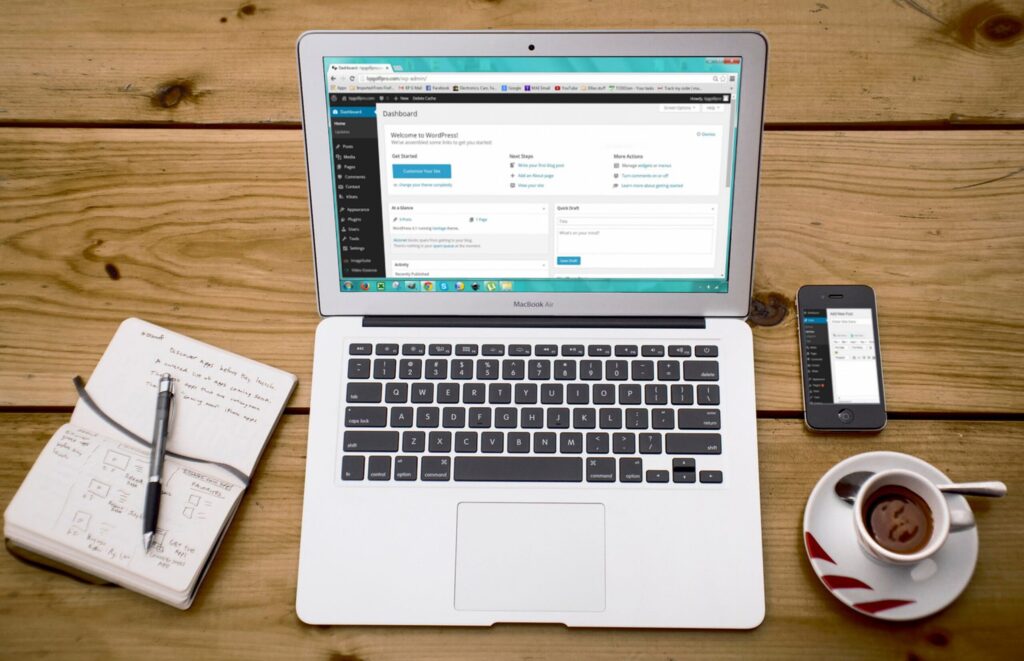
A headless CMS is a content management system that focuses on content creation and management, but separates the content presentation layer from the back-end. In simpler terms, a headless CMS provides content to any device or platform via APIs, without any pre-defined templates or designs.
The traditional CMS has a monolithic architecture where the front-end and back-end are tightly coupled. The front-end and back-end are inextricably linked, which means that changes to one side may affect the other. In contrast, a headless CMS is agnostic to the front-end, allowing developers to choose their own frameworks, tools, and programming languages to create and display content.
So, do you need a headless CMS? The answer depends on your business goals and website requirements. If you need to deliver content to multiple devices and platforms, such as mobile apps, smartwatches, or virtual assistants, a headless CMS may be a good option. A headless CMS provides flexibility and scalability for content delivery, allowing you to reuse content across different channels without the need for complex integrations.
Moreover, a headless CMS also allows for faster development and deployment of new features and content updates. Since the front-end and back-end are decoupled, developers can work independently, without being tied to a specific technology stack or development framework. This can result in shorter development cycles and a more agile approach to content creation.
However, it’s worth noting that a headless CMS may not be the best choice for all businesses. If you have a simple website or a small business, a traditional CMS may be more than enough. A headless CMS may require more resources and technical expertise, and it may also require more effort to set up and maintain.
In conclusion, a headless CMS can provide flexibility, scalability, and agility for content creation and delivery, but it may not be suitable for every business. Consider your business goals and website requirements carefully before making a decision.