Getting More Value From Google Analytics Starts With Proper Configuration
Google Analytics is one of the most powerful tools available to UK businesses for understanding website performance and customer behaviour. Yet despite its widespread adoption, many companies are sitting on a goldmine of data they’re not fully utilising. The problem isn’t the platform itself—it’s that Analytics is often poorly configured from the outset, leading to incomplete data, missed opportunities, and decision-making based on unreliable insights.
For Birmingham businesses and organisations across the UK, the difference between a basic Analytics setup and a properly optimised one can be transformative. When configured correctly, Google Analytics moves beyond simple pageview counts to become a comprehensive business intelligence tool that informs everything from content strategy to PPC campaign optimisation and SEO priorities.
Why Most Businesses Aren’t Getting the Full Picture
The challenge with Google Analytics isn’t that it’s too simple—it’s that it’s deceptively easy to set up but remarkably complex to configure properly. Many businesses install the tracking code, see data flowing in, and assume everything is working correctly. Unfortunately, this surface-level implementation misses crucial elements that affect data quality and usefulness.
Common gaps we regularly encounter include unmapped conversion goals, missing e-commerce tracking, unfiltered internal traffic skewing results, broken cross-domain tracking for businesses with multiple websites, and poorly configured event tracking that fails to capture meaningful user interactions. Each of these issues quietly undermines the reliability of your data, leading to decisions based on incomplete or inaccurate information.
The Real Cost of Poor Analytics Configuration
When your Analytics setup isn’t properly configured, the consequences extend far beyond missing numbers in a dashboard. You might be allocating PPC budget to keywords that appear successful but actually generate little genuine business value. Your SEO strategy could be targeting metrics that don’t align with actual customer journeys. Content decisions might be based on engagement data that doesn’t account for your most valuable audience segments.
For UK e-commerce businesses especially, inadequate tracking means you can’t accurately calculate customer lifetime value, understand which marketing channels drive the most profitable customers, or identify where users abandon their purchase journey. These insights are essential for competing effectively in today’s digital marketplace.
Building a Solid Analytics Foundation: Essential Setup Steps
Transforming Google Analytics from a basic traffic counter into a strategic business tool requires methodical attention to several key areas. The first priority should always be ensuring your data collection is comprehensive and accurate.
Start with goals and conversions. Every business has actions that matter—newsletter signups, contact form submissions, phone calls, purchases, document downloads, or video views. These conversions must be properly configured as goals in Analytics. Without them, you’re measuring activity rather than outcomes. Define what success looks like for your business, then ensure Analytics is tracking every instance of that success occurring.
Implement enhanced measurement thoughtfully. Google Analytics 4 offers enhanced measurement that automatically tracks scrolling, outbound clicks, site search, video engagement, and file downloads. However, automatic doesn’t mean optimal. Review what’s being tracked and customise it to match your specific business needs. A B2B professional services firm will have different priorities than a retail e-commerce site.
Organising Your Data for Better Insights
Raw data needs structure to become useful. This is where many businesses fall short, collecting information without organising it in ways that support decision-making.
Use data filters to exclude internal traffic from your team, agencies, and regular contractors. Create separate views or data streams for different purposes—one unfiltered view for backup, one cleaned view for reporting, and potentially separate views for different site sections or business units. This organisation prevents you from mixing staff behaviour with genuine customer actions.
Custom dimensions and metrics allow you to track business-specific information that standard Analytics doesn’t capture. For instance, you might track customer type (new versus returning), content categories, author names, or product types. These custom classifications enable far richer analysis than generic pageview data alone.
Connecting Analytics to Your Broader Marketing Ecosystem
Google Analytics delivers maximum value when it’s properly connected to your other marketing tools. Integration with Google Ads allows you to see exactly which keywords, ads, and campaigns are driving not just clicks, but genuine conversions and revenue. This connection is essential for optimising PPC spend effectively.
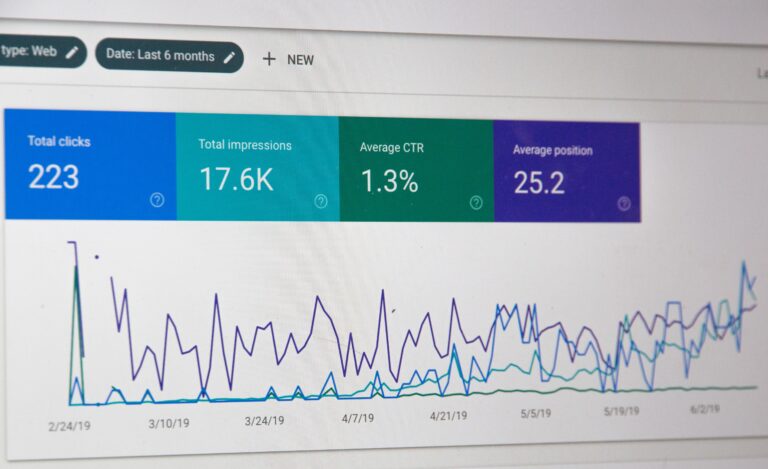
For businesses running SEO campaigns, linking Google Search Console to Analytics provides invaluable insights into which search queries are bringing visitors to your site, how different pages perform in search results, and where technical issues might be hindering performance. This integration bridges the gap between search visibility and on-site behaviour.
If you’re using email marketing platforms, CRM systems, or other marketing tools, explore available integrations. The more connected your analytics ecosystem becomes, the more comprehensive your understanding of customer journeys across touchpoints.
Making Sense of Your Data Through Regular Audits
Even a well-configured Analytics setup requires ongoing maintenance. Website changes, new marketing campaigns, and evolving business priorities all necessitate periodic reviews of your tracking implementation.
Schedule quarterly analytics audits to verify that tracking is working correctly, goals remain relevant to current business objectives, filters are functioning as intended, and new opportunities for enhanced tracking are identified. During these audits, check for data anomalies that might indicate tracking problems—sudden traffic drops, unusual bounce rates, or conversion tracking that’s stopped recording events.
Turning Data Into Action: The Real Purpose of Analytics
Ultimately, the value of Google Analytics isn’t in having impressive dashboards—it’s in making better business decisions. Proper configuration enables you to identify your most profitable traffic sources, understand which content resonates with your target audience, spot user experience problems that drive visitors away, optimise conversion funnels to reduce abandonment, and allocate marketing budget based on actual return on investment rather than guesswork.
For UK businesses competing in increasingly crowded digital spaces, these insights provide competitive advantage. When you understand customer behaviour at a granular level, you can refine your approach continuously, testing hypotheses and doubling down on what works.
Getting Expert Support for Analytics Excellence
While Google Analytics has become more user-friendly with helpful guidance tools and simplified interfaces, extracting maximum value still requires expertise. Knowing what to measure, how to configure tracking correctly, and how to interpret results in the context of broader business goals are skills developed through experience.
At Pure Marketing, we help Birmingham businesses and organisations across the UK implement Google Analytics properly from the ground up. Whether you’re launching a new website, migrating to GA4, or simply want to ensure your existing setup is capturing the insights you need, our team can audit your current configuration, identify gaps and opportunities, implement comprehensive tracking that aligns with your business goals, and provide ongoing support to ensure your data remains accurate and actionable.
Ready to transform Google Analytics from a basic reporting tool into a strategic asset for your business? Visit puremarketing.uk to discuss how we can help you get more value from your data, inform smarter marketing decisions, and drive better results from your digital channels.